 Image 1 of 1
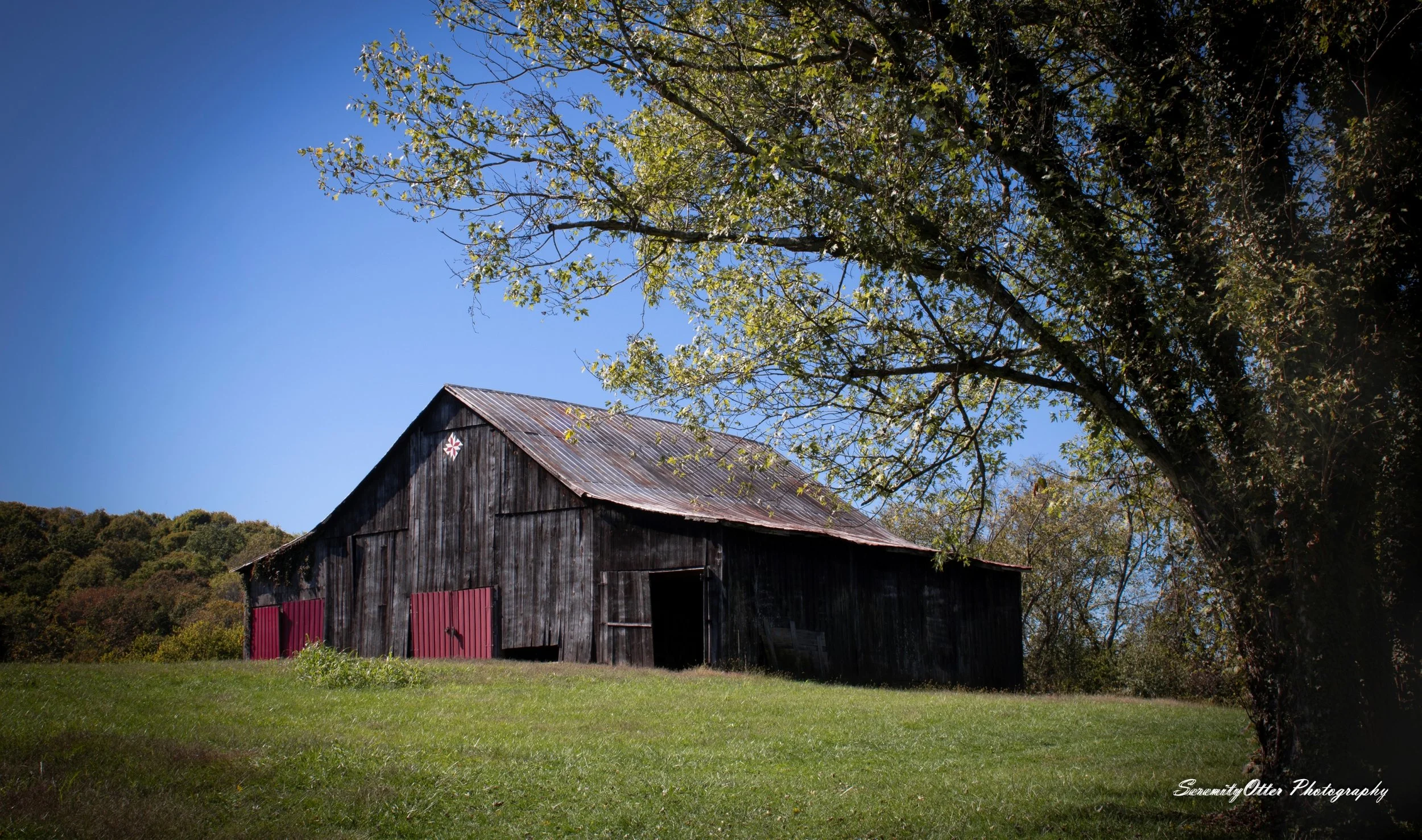
Red weathered wood, the faded echo of summers and winters stacked in each board—this Kentucky barn stands like a memory made visible.Shadows over a field of tall fescue; a rusted hay fork still hanging inside, a silent testament to seasons of harvest tying this image to Kentucky’s agricultural history.
This barn holds both the endurance of utility and the poetry of decay—function and nostalgia braided together. It invites quiet inspection: the smell of dry hay, the whisper of loose shingles, the creak of the well-worn door. Whether photographed for its austere geometry or painted for its rustic charm, the Kentucky barn captures a particular American sense of place—rooted, resilient, and quietly beautiful.
Red weathered wood, the faded echo of summers and winters stacked in each board—this Kentucky barn stands like a memory made visible.Shadows over a field of tall fescue; a rusted hay fork still hanging inside, a silent testament to seasons of harvest tying this image to Kentucky’s agricultural history.
This barn holds both the endurance of utility and the poetry of decay—function and nostalgia braided together. It invites quiet inspection: the smell of dry hay, the whisper of loose shingles, the creak of the well-worn door. Whether photographed for its austere geometry or painted for its rustic charm, the Kentucky barn captures a particular American sense of place—rooted, resilient, and quietly beautiful.